Jamii Dental Clinic
Splinting
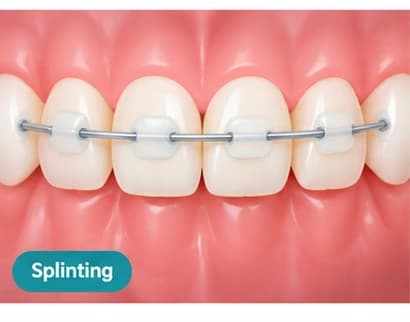
Splinting is a dental stabilization technique used to support loose or mobile teeth by joining them together for additional support.
About this treatment
This treatment is usually considered when a dentist has identified a need to protect compromised teeth and improve stability while healing or during ongoing care planning.
What it is
This treatment is usually considered when a dentist has identified a need to protect compromised teeth and improve stability while healing or during ongoing care planning.
Why it may be recommended
- A tooth or group of teeth has become loose or mobile.
- You have had trauma or ongoing movement that may need support.
- A dentist wants to improve stability while a treatment plan is being followed.
What problem it addresses
Speak with a dentist if a tooth feels loose, mobile, or unusually sensitive, especially after trauma or a sudden change in oral comfort.
What to expect
The dentist will assess the stability of the teeth, explain the issues in plain language, and outline whether splinting may be helpful. The process is intended to support healing and protect the affected area while the wider treatment plan is discussed.
After your treatment
After splinting, the dentist will explain the expected care plan, any follow-up review, and how to protect the teeth during recovery. Patients are advised to follow the instructions provided by their dental team closely.
When to see a dentist
Speak with a dentist if a tooth feels loose, mobile, or unusually sensitive, especially after trauma or a sudden change in oral comfort.
Related services
Frequently asked questions
Is splinting painful?
It is usually designed to be as comfortable as possible, and the dentist will explain the purpose and expected care before treatment begins.
How long does a splint stay in place?
The duration depends on the reason for stabilization and the patient’s treatment plan, and the dentist will advise on the appropriate review schedule.
Ready to speak with the team?
We can talk through your concerns and explain the right next step.