Jamii Dental Clinic
Jaw Fracture Reduction
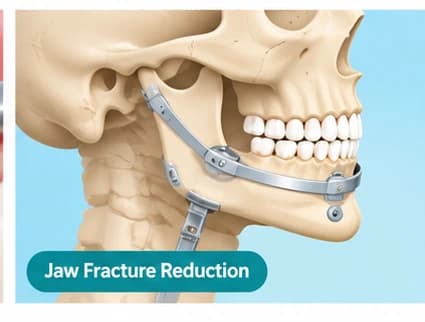
Jaw fracture reduction is a dental and oral surgery response used when the jaw bone is broken or displaced and needs careful reassessment and stabilization.
About this treatment
This treatment may be required after trauma or injury, when the jaw has shifted out of place, or when a dentist is guiding a patient toward a safe, structured healing plan.
What it is
This treatment may be required after trauma or injury, when the jaw has shifted out of place, or when a dentist is guiding a patient toward a safe, structured healing plan.
Why it may be recommended
- There has been trauma or injury to the jaw.
- You have pain, swelling, bite problems, or restricted movement after an accident.
- A dentist wants to assess fracture healing and the most appropriate support needed.
What problem it addresses
Seek dental or oral care urgently if you have had a jaw injury with pain, swelling, difficulty opening the mouth, or an abnormal bite after trauma.
What to expect
The dental team will assess the injury, explain the probable cause and treatment approach, and discuss the plan for repositioning and supporting the jaw to encourage proper healing. The aim is to protect the patient’s comfort and function while the area recovers.
After your treatment
After the reduction and stabilization plan, the dentist will explain follow-up visits, expected healing, and any careful instructions that will support recovery. Patients are encouraged to follow the clinician’s advice closely and attend any review appointments recommended.
When to see a dentist
Seek dental or oral care urgently if you have had a jaw injury with pain, swelling, difficulty opening the mouth, or an abnormal bite after trauma.
Related services
Frequently asked questions
Is a jaw fracture a dental emergency?
It can be urgent, especially if there is severe pain, swelling, trouble opening the mouth, or a bite that seems out of alignment after an injury.
What does recovery involve?
Recovery depends on the nature of the fracture and the treatment plan, but the dentist will explain the expected healing process and any follow-up care needed.
Ready to speak with the team?
We can talk through your concerns and explain the right next step.